Efficient Drying Solutions Built On Proven Engineering
With decades of practical experience, we design, build, and optimise industrial drying systems for a wide range of applications.
Our dryers are designed with a deep understanding of airflow and heat transfer
With over 30 years of company experience in:
- Designing and building complete dryers
- Specifying and supplying ancillary equipment such as fans and product collection baghouses
- Troubleshooting existing dryers and enhancing their performance
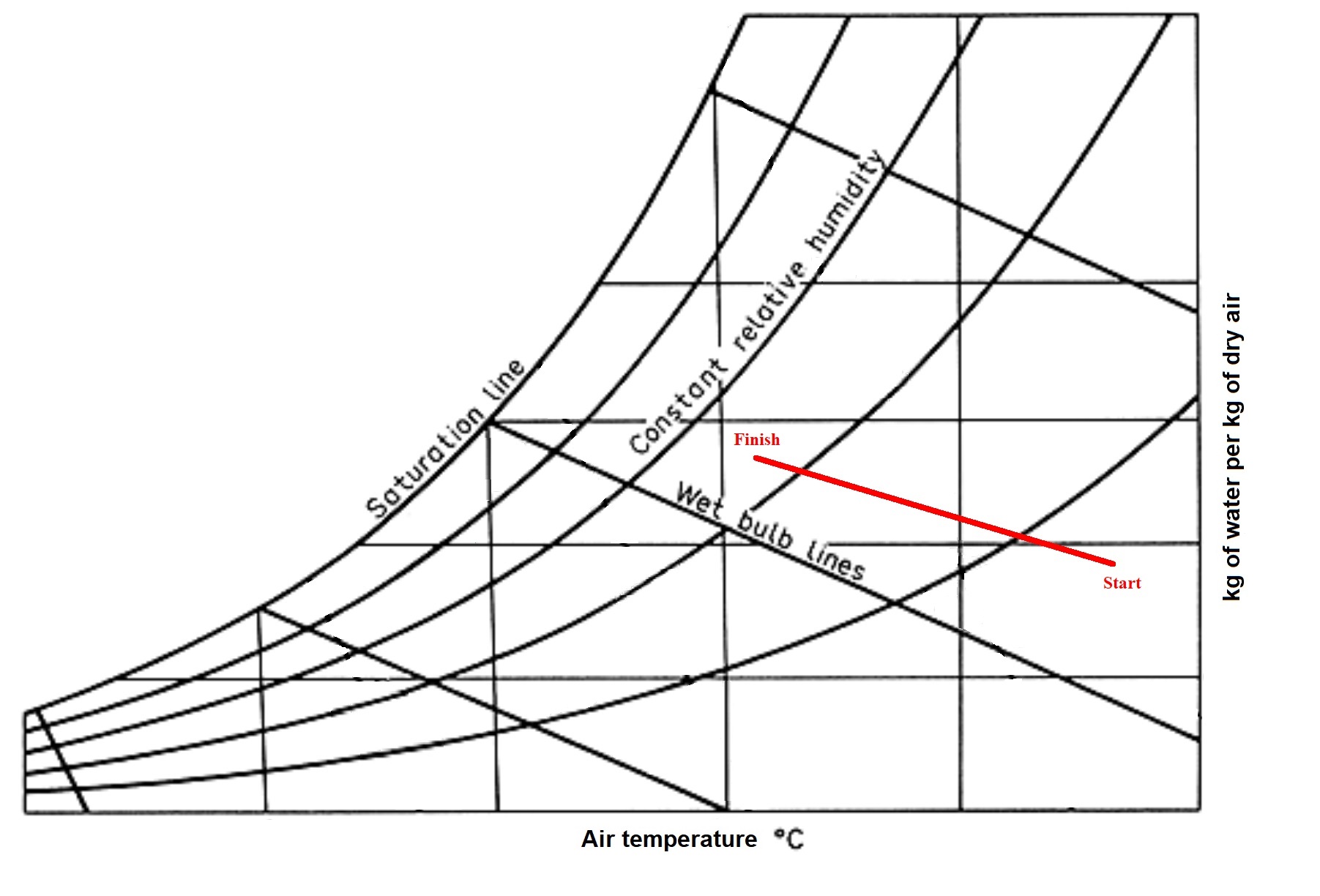
Most industrial dryers are convection dryers — that is, they rely on airflow and temperature differences.
Airflow delivers heat and removes moisture. If the air reaches the saturation line, no further drying can occur. Hot, dry air goes into the dryer, while warm, moist air is exhausted.
Flash Dryers
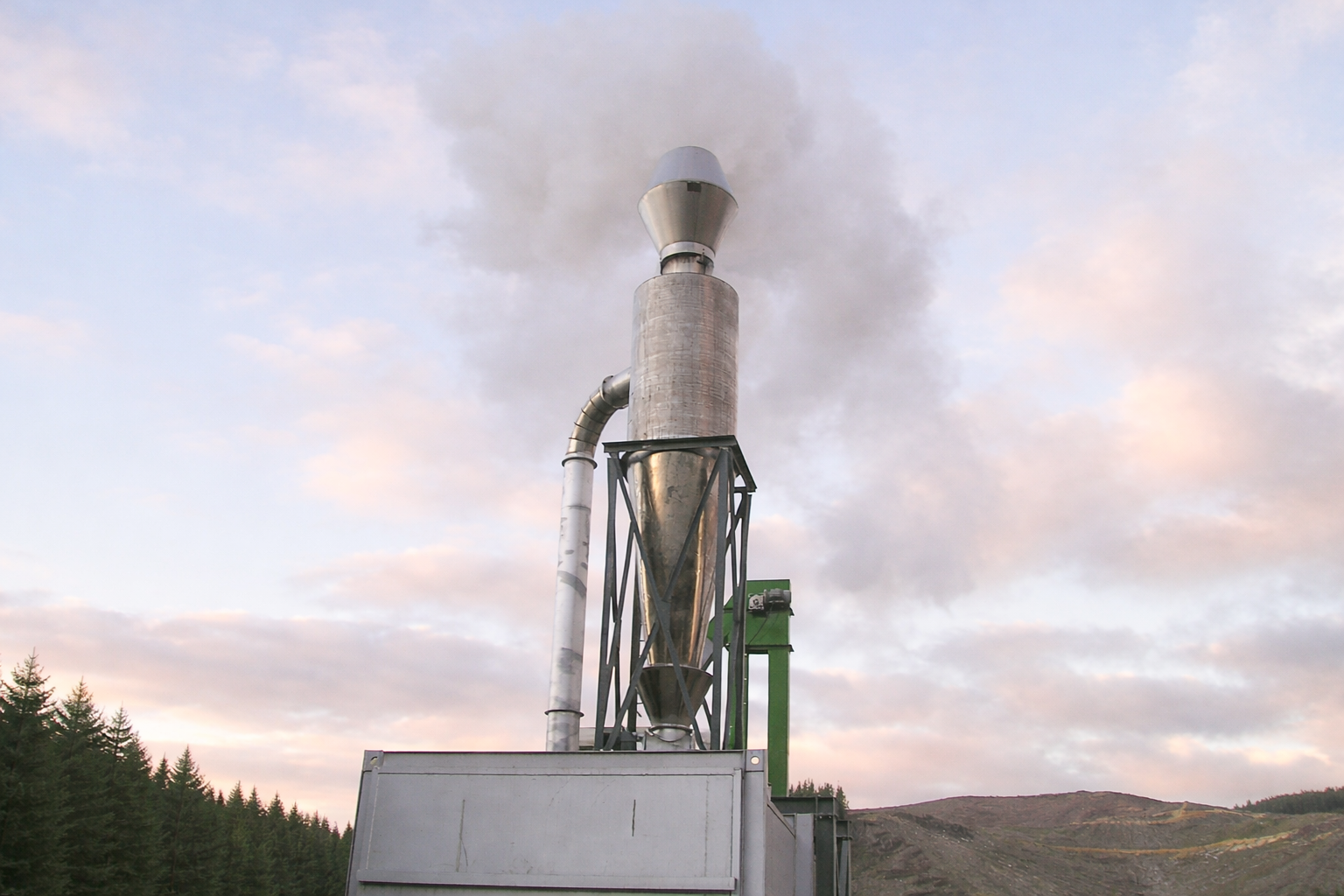
Flash dryers are ideal for processing fine materials where moisture needs to be removed quickly and efficiently.
The material to be dried is fed into a hot airstream, which conveys it to a product collector, typically a baghouse or cyclone.
When the material is finely divided, moisture flashes off rapidly.
Typical applications:
• Wood pulp
• Particle board furnish
• Biomass boiler fuel feed
Fluid Bed Dryers
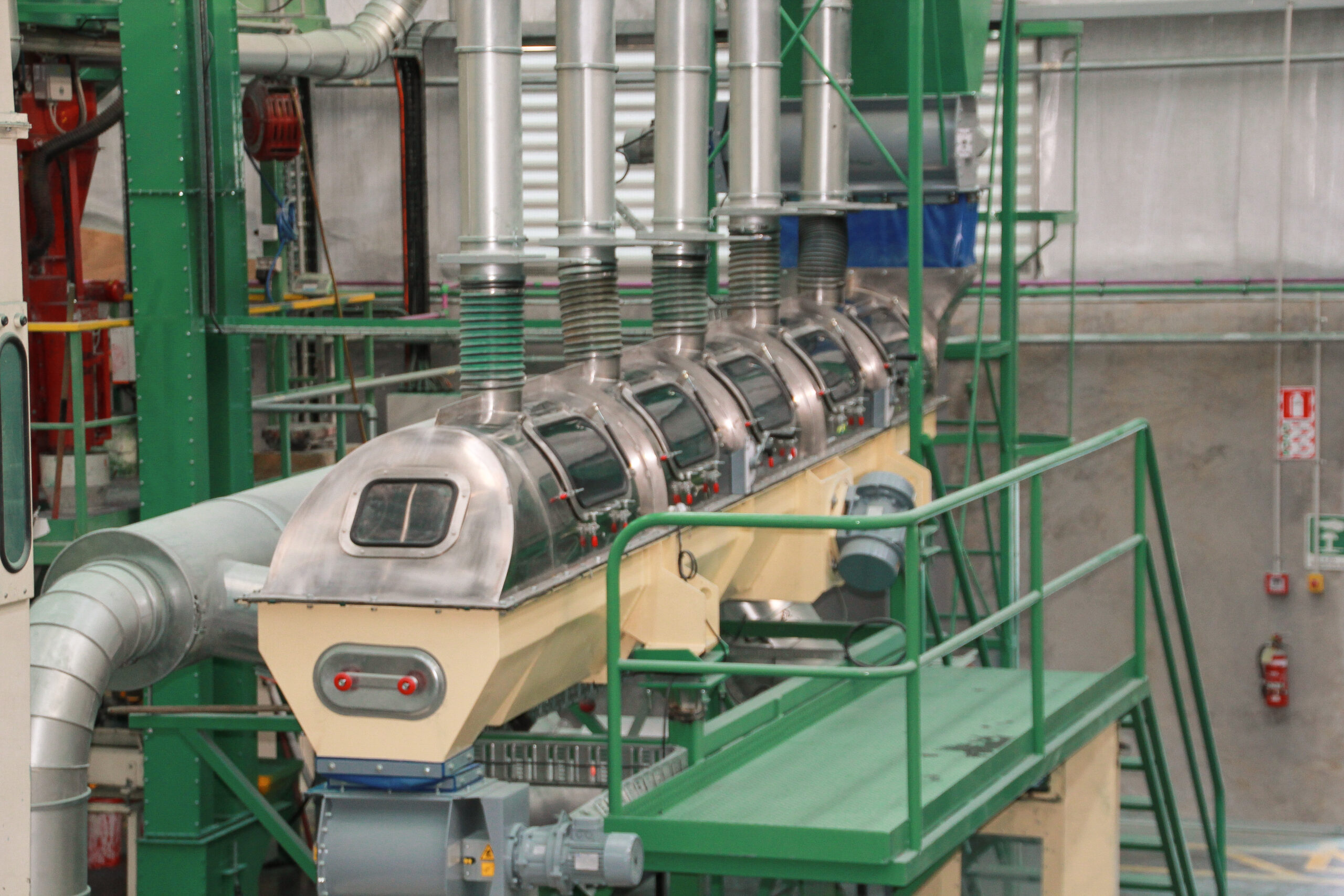
Fluidised bed dryers provide excellent heat and mass transfer for materials that can be fluidised, offering efficient and consistent drying performance.
During operation, hot air is introduced from below. The drying air passes up through the product to be dried, fluidising the product and ensuring good contact.
Typical applications:
• Some milk products
• Bread crumbs
• Seed coatings
Spray Dryers
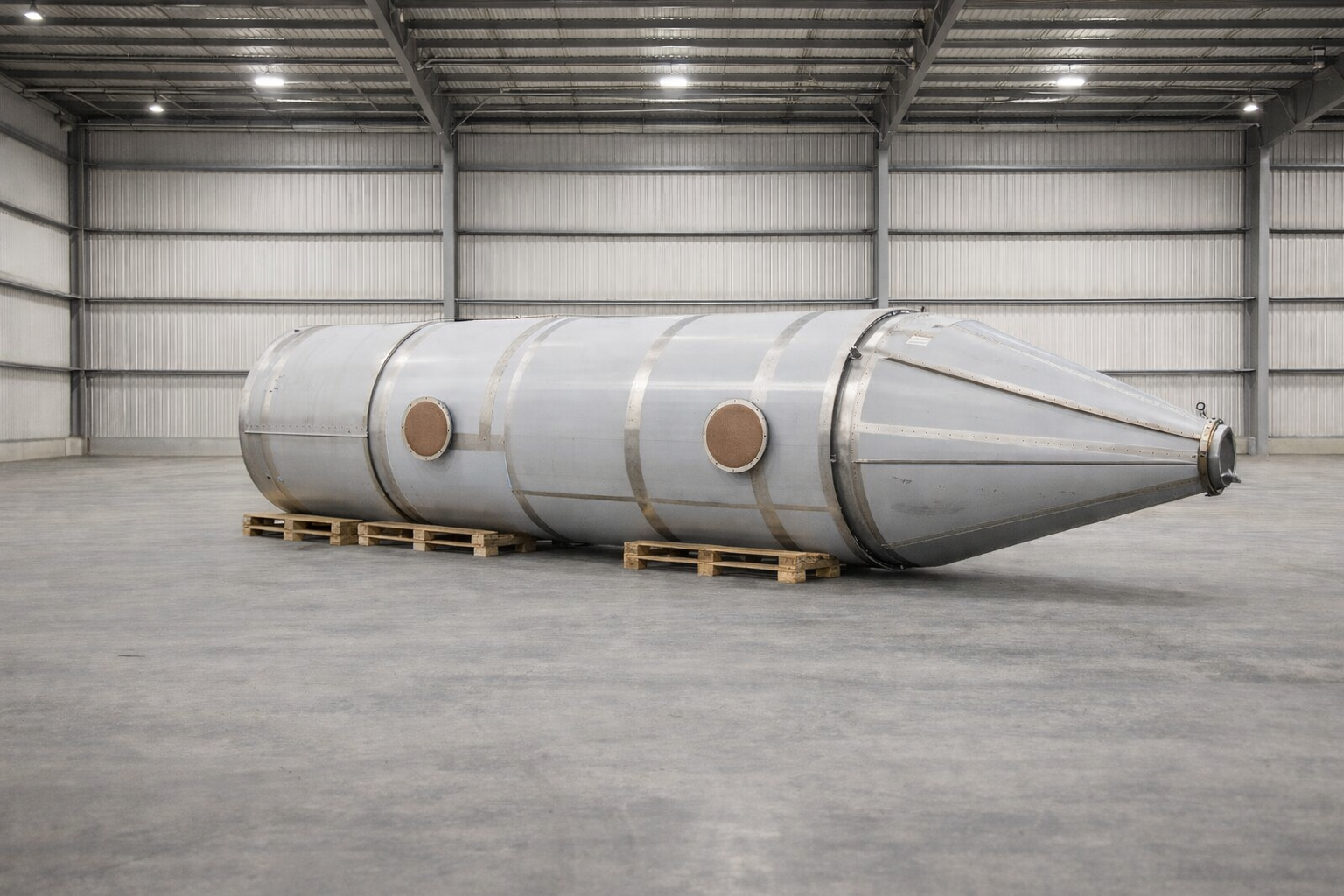
Spray dryers convert liquid or slurry feed into dry powder, with precise control of particle size and moisture content. They are ideal for heat-sensitive materials and applications requiring fine, uniform powders.
Typical applications include:
- Milk products
- Coffee
- Protein powders
Rotary Drum Dryers
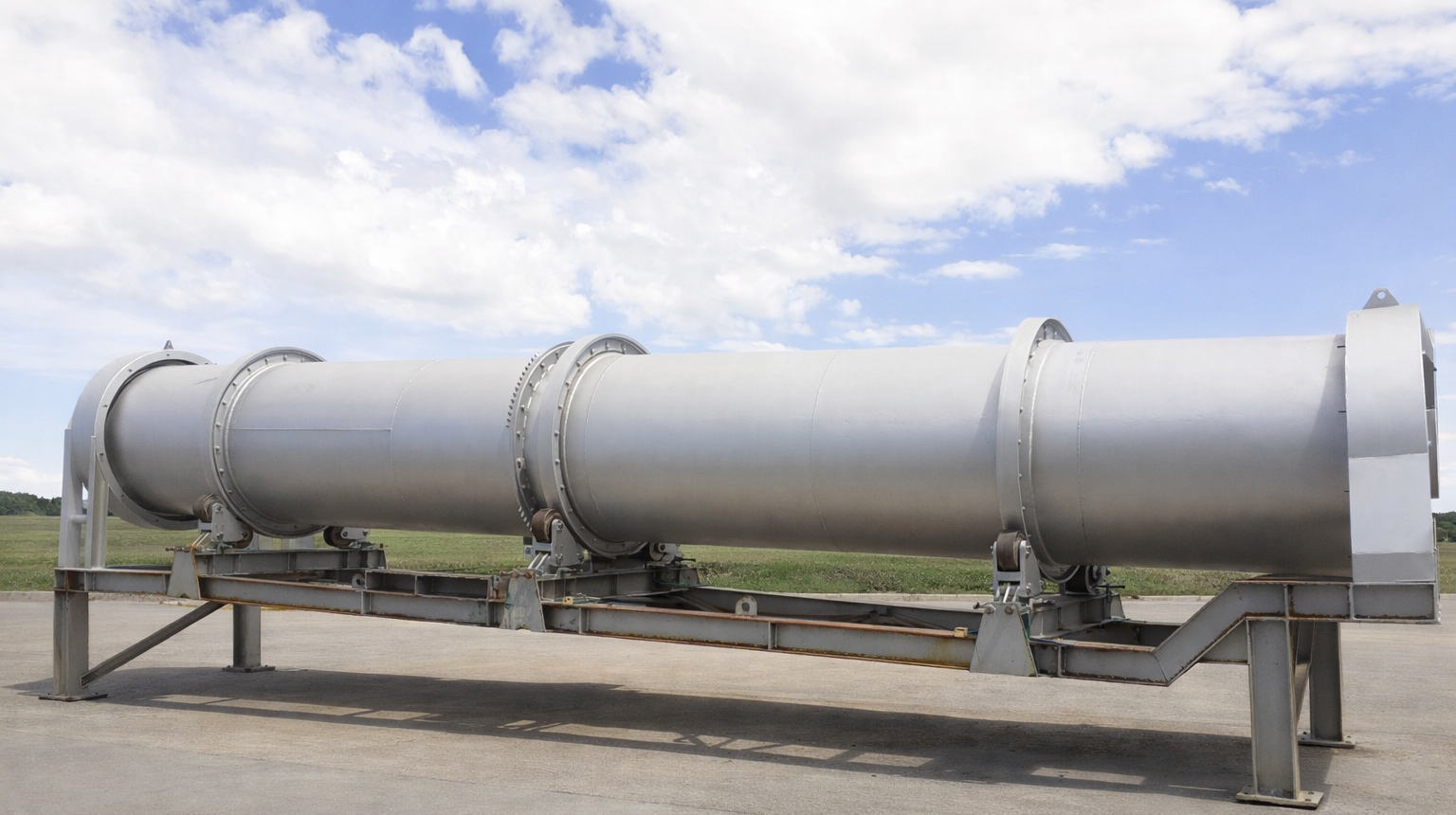
Rotary dryers are well suited for handling coarse or granular materials that require uniform drying.
These can be co-current or counter-flow designs.
The material moves down the drum as a result of lifting flights, and the material cascading from the lifters falls through the airflow.
This design ensures excellent air–product contact.
Typical applications include:
- Sand and aggregates
- Particle board furnish
- Agricultural lime
Drying Kilns and Batch Ovens
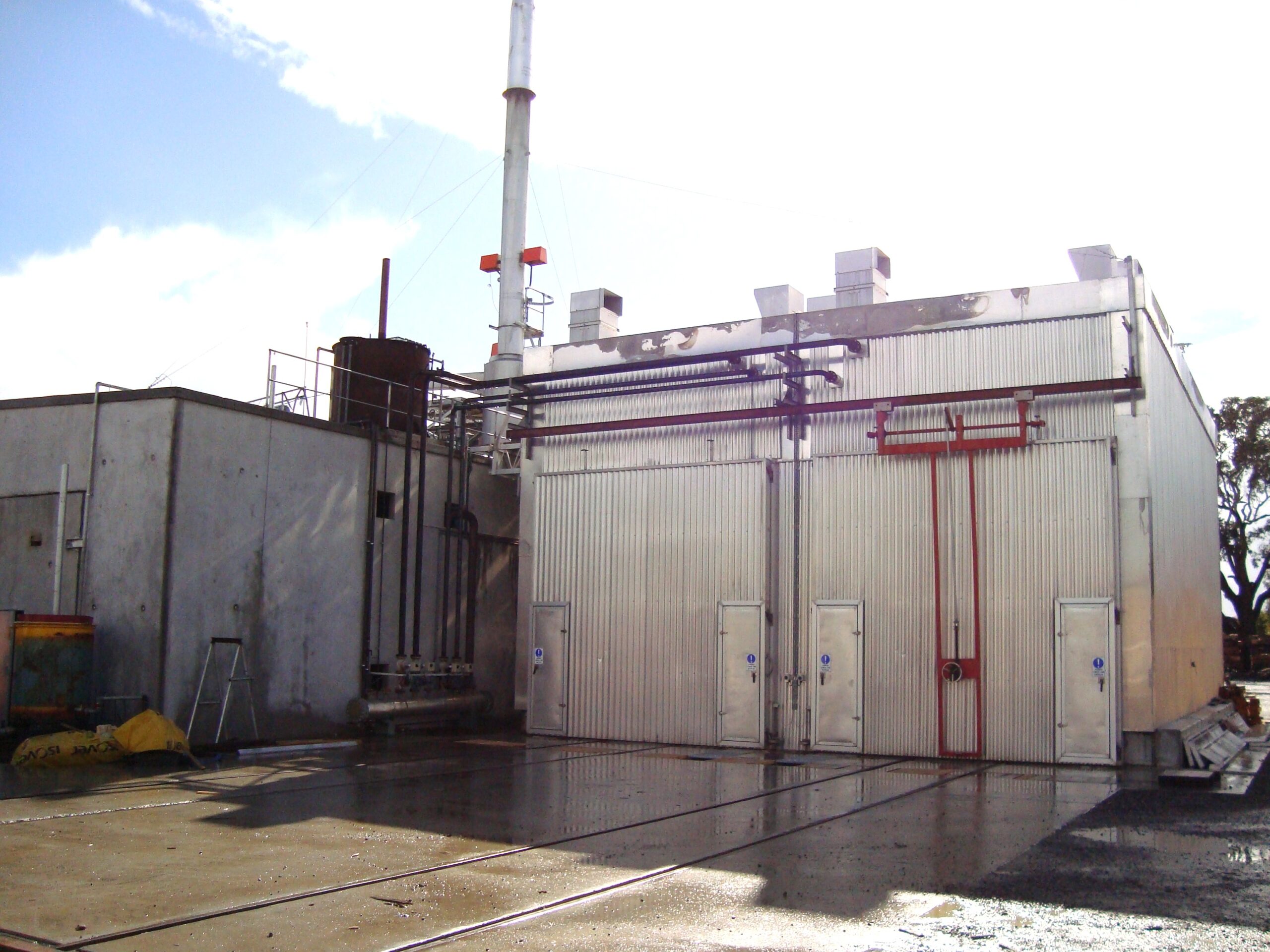
Drying kilns and batch ovens deliver consistent drying performance through precise temperature control and even heat distribution, ensuring reliable results for a wide range of materials.
Typical applications include:
- Sawn timber
- Agricultural products
- Pharmaceutical capsules